
LIMENMUSIC
Your Gateway to Music, Arts, and Lifestyle
Welcome to LIMENMUSIC – Your Ultimate Destination for Music, Arts, and Lifestyle
Music and Arts
Immerse yourself in the world of music and arts through live performances, art exhibitions, and cultural events that will ignite your creative spirit.
Nightlife & Entertainment
Immerse yourself in the pulsating energy of vibrant nightlife and entertainment at our bars, nightclubs, and event venues. Let go and dance the night away to the latest beats and performances. Explore the excitement at newburgumc.com.
Oil & Salon Services
Our premium oil and salon services will enhance your beauty and style. Whether you’re looking for a haircut, hair coloring, or makeup, our professionals have you covered.

Wellness & Spa
Rejuvenate and refresh your body and mind with our world-class spa and massage services. Our skilled therapists will transport you to a state of relaxation and serenity.
Lifestyle Choices
Explore a wide range of lifestyle options, from wellness classes to culinary experiences, ensuring you can indulge in your preferred activities.
Discover our unique “Parlor Love” experience, a special service that combines relaxation, pampering, and connection. It’s the epitome of self-care and love.
About Us - The Story
About Us
Discover the harmony of music, the beauty of arts, and the richness of lifestyle choices.
At LIMENMUSIC, we believe in the transformative power of music, arts, and lifestyle. Our journey began with a vision to create a space where people from all walks of life can come together to celebrate their love for music, arts, and the joys of living. Our story is one of passion, diversity, and unity.
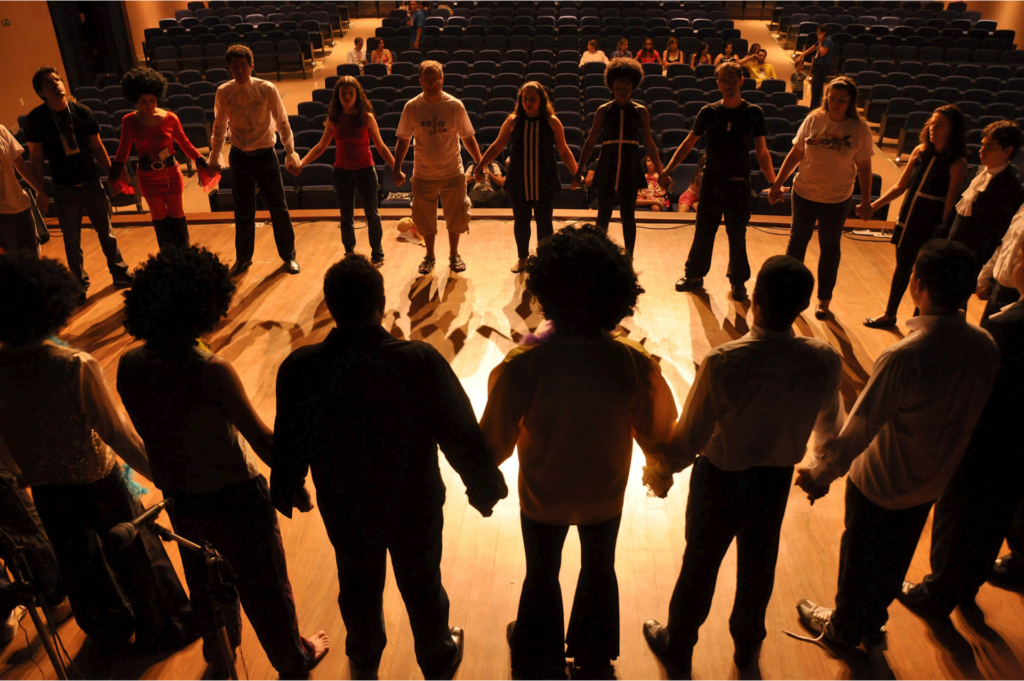
LIMENMUSIC was founded by a group of enthusiasts who understood that life is not just about work and responsibilities.
Professional team
meet Our specialists

Jamie Springthorpe
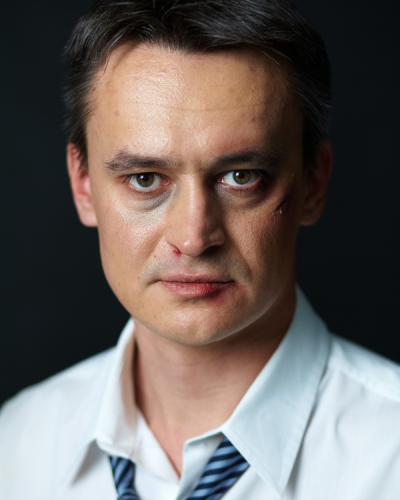
Aaron Danglow

Zac Piesse
fAQ
frequently asked questions
Music and Arts
LIMENMUSIC hosts a wide variety of music and arts events, including classical music concerts, contemporary art exhibitions, theater performances, and more. We aim to cater to diverse artistic tastes.
You can stay informed about our upcoming events by subscribing to our newsletter, following our social media channels, or regularly visiting our website’s Events page. We also send out event notifications to our members.
We welcome submissions from artists and musicians. Please reach out to our submissions team through the “Contact Us” section on our website, and they will provide you with more information on the submission process.
Yes, we offer educational programs and workshops, such as art classes, music lessons, and masterclasses led by renowned artists and musicians. These opportunities provide valuable learning experiences for individuals of all skill levels.
LIMENMUSIC is dedicated to supporting emerging artists. You can support them by attending their performances, purchasing their artwork, or contributing to our artist sponsorship programs. Additionally, you can help by spreading the word about their work through our platform and social media.
Nightlife & Entertainment
Yes, we have specialized health and wellness programs tailored to women’s needs, including fitness classes, nutrition workshops, and women’s health seminars. These programs aim to promote overall well-being and empowerment.
LIMENMUSIC offers a vibrant nightlife scene with bars, nightclubs, and live entertainment perfect for a girls’ night out. Our events cater to diverse music tastes and provide a fun and safe environment for a memorable night.
Our spa and massage services include romantic couple’s packages, offering a luxurious and intimate experience for couples. You can enjoy side-by-side treatments and special amenities designed to enhance your bond.
Absolutely! LIMENMUSIC offers event planning services for private gatherings, including bachelorette parties, birthday celebrations, and girls’ night events. Contact our events team to discuss your requirements and preferences.
“Parlor Love” is a unique and holistic self-care experience at LIMENMUSIC. It combines spa treatments, beauty services, and relaxation in a luxurious and nurturing environment. It’s designed to help individuals reconnect with themselves and embrace self-love, relaxation, and pampering. This experience can be enjoyed alone or with loved ones, promoting a sense of self-appreciation and care.
contact us
start protecting your skin today !
Getting Here
4274 Ridge Road
Uniontown, KS 66779
Make an Appointment
+01 620-857-6524